Renogy Solar Panels Buyer Guide: Rigid, Foldable & Kits

Affiliate disclosure: Some links on this page are affiliate links. If you buy through them we earn a small commission at no extra cost to you. Recommendations are research-driven; we don't claim personal use of every product reviewed. Product prices and availability are accurate as of the date published and are subject to change. Always check Amazon for current pricing before purchasing. Learn more.

Quick Picks
Renogy Solar Panels 200 Watt N-Type, 200W Solar Panel 16BB 25% High-Efficiency Solar Cell for 12V/24V Systems,PV Module Power Charger for Class B Van RV Marine Cabin Roof Home Farm
200W capacity suitable for small 12V/24V off-grid systems
Buy on AmazonRenogy 200 Watt 12 Volt Monocrystalline Solar Panel Starter Kit with 2 Pcs 100W Solar Panel and 30A PWM Charge Controller for RV, Boats, Trailer, Camper, Marine ,Off-Grid System
200 watt total capacity with two 100W monocrystalline panels included
Buy on AmazonRenogy Solar Panels 200 Watt 12V, Flexible Solar Panel 200W 22% High-Efficiency, 240° Ultra Lightweight Solar Panels for Marine RV Cabin Van Car Boat Camping Curve Surfaces
200W capacity with 22% high-efficiency rating for reliable power generation
Buy on Amazon| Product | Price Range | Top Strength | Key Weakness | Buy |
|---|---|---|---|---|
| Renogy Solar Panels 200 Watt N-Type, 200W Solar Panel 16BB 25% High-Efficiency Solar Cell for 12V/24V Systems,PV Module Power Charger for Class B Van RV Marine Cabin Roof Home Farm best overall | 200W capacity suitable for small 12V/24V off-grid systems | Single panel requires additional components for complete system | Buy on Amazon | |
| Renogy 200 Watt 12 Volt Monocrystalline Solar Panel Starter Kit with 2 Pcs 100W Solar Panel and 30A PWM Charge Controller for RV, Boats, Trailer, Camper, Marine ,Off-Grid System also consider | 200 watt total capacity with two 100W monocrystalline panels included | PWM charging technology less efficient than newer MPPT controllers | Buy on Amazon | |
| Renogy Solar Panels 200 Watt 12V, Flexible Solar Panel 200W 22% High-Efficiency, 240° Ultra Lightweight Solar Panels for Marine RV Cabin Van Car Boat Camping Curve Surfaces also consider | 200W capacity with 22% high-efficiency rating for reliable power generation | 12V output limits compatibility to specific off-grid or battery systems | Buy on Amazon | |
| Renogy 200W Portable Solar Panel, IP65 Waterproof Foldable Solar Panel Power Backup, Solar Charger for Power Station RV Camping Off Grid also consider | 200W capacity provides substantial power for portable charging needs | Portable solar panels typically generate lower output on cloudy days | Buy on Amazon | |
| Renogy 100W 12V Solar Panel Starter Kit, 100 Watt Monocrystalline Solar Panel, 30A LCD PWM Charger Controller, Adaptor Kit, Tray Cables, Z Brackets for RV, Camper, and Other Off Grid Applications also consider | 100W monocrystalline panel offers efficient solar conversion | 100W capacity limits power generation for larger system needs | Buy on Amazon |
Renogy dominates the entry-level solar market for a reason: the brand covers nearly every format a vehicle-based camper or off-grid builder needs, from rigid roof panels to foldable portables to complete starter kits. Sorting through the lineup requires understanding what each format trades against the others. For anyone building out a power system for overlanding or van camping, the panel choice is foundational , everything downstream depends on it.
The right Renogy product depends on your mounting situation, battery voltage, and how permanent the installation needs to be. A rooftop rigid panel and a foldable portable serve fundamentally different use cases, even at identical wattage ratings.

What to Look For in Renogy Solar Panels
Rigid vs. Flexible vs. Foldable Construction
Construction type determines where a panel can live, how long it will last, and what it costs relative to its output. Rigid monocrystalline panels are the workhorse format , aluminum-framed, glass-faced, and designed for permanent roof or rack mounting. They handle decades of UV exposure and mechanical stress better than any alternative. For a fixed overland build, rigid is almost always the right answer.
Flexible panels sacrifice longevity for installation versatility. The ETFE or PVC backing allows mounting on curved surfaces , think a rounded van roof or a fiberglass camper shell where standard Z-brackets won’t sit flat. The tradeoff is heat dissipation: flexible panels run hotter because air can’t circulate underneath, and heat degrades cells over time. Owner reports consistently flag this as the primary long-term concern with flexible formats.
Foldable panels are portable-first. They fold into a carry case, deploy in minutes, and go back in the vehicle when camp breaks. For overlanders who camp without a dedicated roof setup, or who need supplemental charging on longer trips, foldable panels solve a real problem. They’re not a permanent installation replacement , they’re a flexible tool.
Cell Technology: PWC, N-Type, and Efficiency Ratings
Most Renogy panels ship with standard P-type monocrystalline cells. These are proven, cost-effective, and more than adequate for 12V and 24V off-grid systems. N-type cells , used in Renogy’s newer high-efficiency rigid panels , offer higher conversion efficiency (25% vs. a typical 20, 22%) and better performance in low-light and high-temperature conditions. The practical difference matters most when roof space is constrained and you need maximum watts per square foot.
Efficiency ratings quoted on spec sheets reflect ideal laboratory conditions. Real-world output depends on panel angle, shading, temperature, and atmospheric conditions. A 25%-efficient panel still underperforms a well-oriented 22%-efficient panel if it’s lying flat on a roof at noon in July. Efficiency matters , but orientation and shading avoidance matter more.
Charge Controller Technology: PWM vs. MPPT
No panel discussion is complete without addressing the charge controller, because the controller determines how efficiently harvested energy reaches your battery. PWM (Pulse Width Modulation) controllers are simpler, cheaper, and included in most Renogy starter kits. They work, but they’re not optimal , a PWM controller essentially wastes the voltage difference between panel output and battery voltage as heat.
MPPT (Maximum Power Point Tracking) controllers extract significantly more energy from the same panel by continuously optimizing the power conversion. On a cloudy day or in partial shade, the gap between PWM and MPPT output is measurable. If you’re upgrading beyond a starter kit or building a system that will run year-round in variable light conditions, budget for an MPPT controller. Renogy makes both. The starter kits default to PWM; that’s a reasonable starting point for beginners, but plan for the upgrade. Browsing the full solar and auxiliary power category will help you understand where panels fit in a complete electrical build.
Wattage and System Voltage
A 100W panel in a 12V system produces roughly 5, 8 amps of charging current under good conditions. A 200W panel doubles that, and two panels wired in series can push voltage up to 24V for controllers and inverters that prefer it. The math isn’t complicated, but it needs to match your battery bank and controller before you buy. Undersizing a panel relative to daily consumption is the most common first-build mistake , owners on overland forums consistently recommend sizing up by 25, 30% to account for real-world losses.
Top Picks
Renogy Solar Panels 200 Watt N-Type
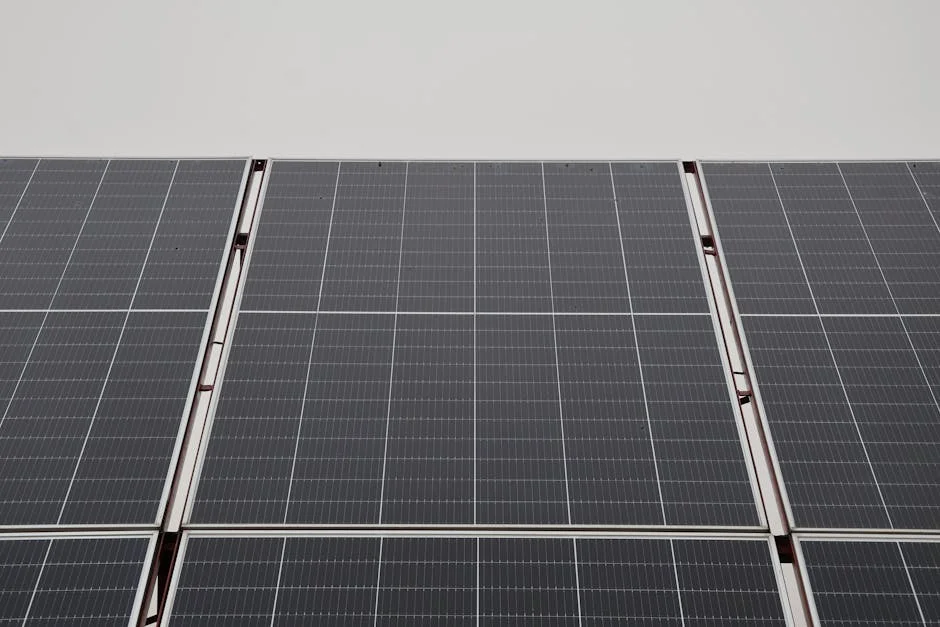
The Renogy Solar Panels 200 Watt N-Type sits at the top of the current Renogy rigid panel lineup, and the specification justifies the position. The 16 busbar (16BB) N-type cell design achieves 25% conversion efficiency , the highest in Renogy’s standard catalog. For builds where roof space is limited and maximum wattage matters, that efficiency gap versus standard monocrystalline panels translates directly into more usable charge per square foot of mounting area.
Owner reports note consistent output numbers that track closely with spec sheet claims, which isn’t universal across the panel market. The panel is rated for both 12V and 24V systems, giving it flexibility as a build evolves. Verified buyers running this panel in van and truck-camper applications report solid performance in partial overcast, which aligns with N-type cell characteristics , these cells handle diffuse light better than standard P-type equivalents.
The limitation here is scope: this is a single panel, and 200W alone won’t power a serious overland electrical system without additional panels and a competent MPPT controller. It’s the right foundation for a roof array, not a complete solution.
Check current price on Amazon.
Renogy 200 Watt 12 Volt Monocrystalline Solar Panel Starter Kit
For someone standing at the beginning of their first solar build, the Renogy 200 Watt 12 Volt Monocrystalline Solar Panel Starter Kit removes the most common obstacle: figuring out which components go together. Two 100W monocrystalline panels, a 30A PWM charge controller, and the basic cabling ship together, pre-matched to work as a functional system. The appeal is that you’re not sourcing panels from one listing and a controller from another and hoping the specs align.
The PWM controller is the honest limitation of this kit. It works, and for a basic camper electrical system with modest loads , LED lighting, a fan, phone charging , it will get the job done. But verified buyers who have upgraded to MPPT controllers consistently report measurable increases in charging efficiency, particularly in low-light mornings and overcast afternoons. The kit is a starting point, not a permanent answer.
Wiring the two 100W panels in parallel keeps the system at 12V, which is standard for most RV and van builds. The 30A controller rating supports the 200W array comfortably at 12V, so there’s no sizing mismatch out of the box.
Check current price on Amazon.
Renogy Solar Panels 200 Watt 12V Flexible
The Renogy Solar Panels 200 Watt 12V Flexible exists to solve a specific installation problem: surfaces where a rigid, aluminum-framed panel simply won’t mount. Curved van roofs, fiberglass camper shells, and boat decks are where flexible panels earn their place. The 240-degree bend rating and ultra-lightweight construction make installations possible that a standard rigid panel forecloses entirely.
The 22% efficiency rating is respectable for a flexible format , most flexible panels in this category run lower. Owner reviews reflect generally positive output numbers on flat or low-curve installations. Where the feedback gets more cautious is long-term durability: flexible panels on vehicles see vibration, temperature cycling, and UV stress, and the consensus among experienced van builders is that rigid panels outlast flexible alternatives on the same roof by a meaningful margin.
I’d argue the flexible panel makes strong sense as a secondary addition to a rigid primary setup, or for builds where mounting constraints genuinely require it , not as a default choice purely on aesthetic grounds. The price premium over comparable rigid wattage is real, and it should be weighed against the installation-specific need.
Check current price on Amazon.
Renogy 200W Portable Solar Panel
The Renogy 200W Portable Solar Panel answers a different question than the roof-mounted options above. It’s not a permanent installation , it’s a deployable tool. Unfold it, angle it toward the sun, plug into a power station or charge controller, and pack it when you leave. The IP65 waterproof rating means rain and morning dew aren’t concerns during camp use, which matters for anyone camping in Pacific Northwest or Great Lakes conditions where clear skies aren’t guaranteed.
At 200W, the output capacity is substantial for a portable. Field reports from overlanders using this panel alongside a Jackery, EcoFlow, or Renogy portable power station describe it as genuinely useful for daily recharge cycles in fair weather. The honest caveat is cloudy-day performance: foldable panels run at lower efficiency than their spec rating under diffuse light, and 200W under heavy overcast might deliver 60, 80W in practice.
For overlanders who rotate between vehicle-camping and tent-camping, or who supplement a modest roof array with ground-deployed charging during extended stays, this format earns its place. For anyone committed to a permanent roof installation, a rigid panel at equivalent wattage is the stronger long-term answer.
Check current price on Amazon.
Renogy 100W 12V Solar Panel Starter Kit
The Renogy 100W 12V Solar Panel Starter Kit is the most logical entry point for someone adding solar to a camper van or small trailer for the first time. The 100W monocrystalline panel, 30A LCD PWM controller, adaptor kit, tray cables, and Z-brackets arrive together. The LCD controller is a meaningful step up from basic PWM units , real-time monitoring of charging current, battery voltage, and load draw gives first-time builders useful feedback on whether the system is functioning as expected.
Based on owner reviews across RV and van communities, this kit is consistently recommended for weekend-use builds with modest power needs: running a compressor fridge on a 12V system for two to three days would be a stretch, but lighting, small electronics, and phone charging are well within its capability. The 100W ceiling is the honest constraint , it’s a genuine limitation for anyone planning to run a roof-top tent’s fan controller, a CPAP, or a 12V refrigerator full-time.
The kit’s value is in the completeness and the matched components. Sourcing panels, a controller, and wiring hardware separately at this wattage doesn’t save meaningful money, and it introduces compatibility uncertainty that the kit eliminates.
Check current price on Amazon.
Buying Guide
Matching Panel Format to Your Build
The first decision is whether you need a permanent installation or a portable solution. Permanent roof panels make sense for any build where the vehicle is the base of operations , van conversions, truck campers, and overland rigs with dedicated electrical systems. Portable foldable panels make sense for builds in progress, for supplemental charging during extended trips, or for vehicles where drilling a roof for permanent mounts isn’t practical. Most serious builds eventually use both: a fixed roof array for baseline daily charging and a deployable portable for flex capacity.
Don’t treat flexible panels as the default between rigid and foldable. Flexible panels occupy a specific niche , curved or unconventional mounting surfaces , and outside that niche, rigid panels outperform them in longevity at lower cost per watt.
Sizing the Array to Daily Consumption
The most reliable sizing approach is to calculate your daily amp-hour (Ah) draw from every load in the system, then size your panel array to replace that draw within a realistic solar window. In the Upper Midwest and Pacific Northwest, plan for four to five effective sun hours per day as a conservative baseline , not the six to seven hours that Southwest desert planning might assume.
A 200W array charging into a 12V system in five sun hours delivers roughly 80, 100Ah per day after controller losses. A 100W array delivers roughly half that. If your daily consumption runs 50, 60Ah (a modest compressor fridge plus lighting), a single 200W panel covers it with margin. If you’re running a fridge continuously plus a CPAP plus a roof fan, you’ll want 300, 400W minimum.
Controller Selection: Starter Kit vs. Upgrade Path
Starter kits default to PWM controllers because they reduce upfront cost and match the wattage level of 100, 200W beginner arrays. For a small system with infrequent use, PWM is adequate. For any build intended to run year-round or in variable light conditions, plan the upgrade to MPPT early. The efficiency difference , typically 10, 30% more energy harvested from the same panels , is most pronounced exactly when you need it most: overcast days, low-angle morning and evening sun, winter operation.
Budget for the controller separately from the panel if you’re buying individual components. If you start with a starter kit, factor in the MPPT upgrade as a near-term cost rather than a future surprise. Renogy’s own MPPT lineup integrates cleanly with their panel products. For a broader look at how controllers fit into a complete electrical architecture, the solar and auxiliary power hub covers the full component stack.
Compatibility: Voltage, Connectors, and Expandability
Most Renogy panels ship with MC4 connectors, which are the industry standard for solar applications. MC4 compatibility means Renogy panels wire directly into most aftermarket charge controllers, combiner boxes, and portable power stations with MC4 inputs , no adaptor required in most cases.
Voltage compatibility matters as your system scales. A 12V panel wired directly into a 12V system is simple. Two 12V panels wired in series produce 24V output, which many MPPT controllers prefer. Plan for how you intend to expand before committing to a wiring configuration. A single 200W panel now wired in parallel with a second 200W panel later is straightforward. A series configuration requires more planning but opens up controller options. Verify your controller’s maximum input voltage before adding panels.

Frequently Asked Questions
What is the difference between the Renogy starter kit and buying a panel separately?
The starter kits bundle a panel, charge controller, and basic wiring hardware into a matched, ready-to-install package. Buying a standalone panel requires sourcing a compatible controller, cables, and mounting hardware separately. For first-time builders, the starter kit removes compatibility uncertainty and simplifies the initial purchase. Experienced builders sourcing individual components often prefer separate purchases to specify an MPPT controller rather than the PWM units included in most kits.
Is 100W or 200W the right choice for a camper van build?
It depends entirely on your daily power consumption. A 100W panel covers modest needs , lighting, USB charging, and small electronics , for weekend use. A 200W panel provides meaningful margin for the same loads plus a small compressor fridge or CPAP on shorter trips. Most builders who start with 100W end up adding capacity within a year.
Are flexible solar panels as durable as rigid panels for permanent vehicle installations?
Not in the same category. Rigid aluminum-framed panels are designed for 25-year outdoor service. Flexible panels handle curves and unconventional mounting surfaces that rigid panels can’t, but they run hotter and degrade faster under sustained vehicle use. Owner reports across van and overlanding communities consistently show rigid panels outlasting flexible alternatives over multi-year use.
What charge controller should I pair with a Renogy panel if I want better efficiency than the starter kit offers?
An MPPT controller rated for your panel’s maximum open-circuit voltage (Voc) and your battery bank voltage. Renogy’s own Wanderer and Adventurer MPPT units integrate cleanly with their panels, and third-party options from Victron and EPever also work without compatibility issues. The key spec to verify is the controller’s maximum PV input voltage , it must exceed the panel’s Voc with a safety margin. Moving from PWM to MPPT typically recovers 10, 30% more energy from the same panel, which adds up across a season.
Can the Renogy 200W portable foldable panel charge a large power station like a Jackery or EcoFlow?
Yes, provided the power station has an MC4 or compatible solar input and the panel’s output stays within the station’s maximum solar input specs. The Renogy 200W Portable Solar Panel outputs enough current to meaningfully recharge mid-size portable power stations in a half-day of good sun. Verify the power station’s maximum solar input wattage before connecting , most 500, 1000Wh stations accept 200W solar input without issue, but some smaller units cap below that.

Where to Buy
Renogy Solar Panels 200 Watt N-Type, 200W Solar Panel 16BB 25% High-Efficiency Solar Cell for 12V/24V Systems,PV Module Power Charger for Class B Van RV Marine Cabin Roof Home FarmSee Renogy Solar Panels 200 Watt N-Type, … on Amazon